
Parliament Smoke-Up? BJP Targets Trinamool Over "Banned" Vaping in Lok Sabha
Parliament Vaping Row: BJP MP Anurag Thakur accuses TMC of using banned e cigarettes in Lok Sabha. Read the full story on the legal and political fallout.
LATEST NEWSHEALTH
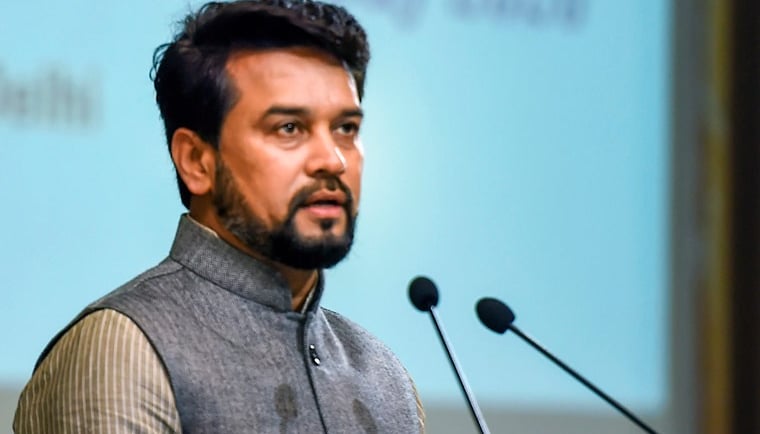
In a startling development during the ongoing Winter Session of Parliament, the sanctity of the Lok Sabha was momentarily clouded—quite literally, according to allegations—by a controversy surrounding e-cigarettes. On Thursday, BJP MP Anurag Thakur leveled a serious accusation against the Trinamool Congress (TMC), alleging that an opposition lawmaker was smoking an e-cigarette inside the Lower House. The incident has not only sparked a political slugfest but has also brought the spotlight back on India's stringent ban on vaping devices.
The Parliament Vaping Row: What Happened? During the Question Hour, former Union Minister and BJP MP Anurag Thakur rose to address Speaker Om Birla, flagging a violation of parliamentary decorum and Indian law. Thakur claimed to have witnessed a TMC MP using a vaping device inside the chamber.
"I want to raise a question regarding the system," Thakur stated. "E-cigarettes are banned across the entire country. Have they been allowed inside Parliament? Some TMC MPs have been sitting and using e-cigarettes for several days."
While Thakur refrained from naming the specific individual, he urged the Speaker to investigate the matter immediately, calling it a breach of the House's dignity. Speaker Om Birla took cognizance of the complaint, asserting that if the allegations were proven true, strict disciplinary action would follow.
The Legal Stance: Why E-Cigarettes are Banned in India The controversy is significant because e-cigarettes are not just frowned upon; they are illegal. In 2019, the Indian government passed the Prohibition of Electronic Cigarettes Act (PECA).
Total Prohibition: The Act completely prohibits the production, manufacture, import, export, transport, sale, distribution, storage, and advertisement of e-cigarettes.
Penalties: The law is stringent. First-time offenders face imprisonment of up to one year and a fine of ₹1 lakh. Repeat offenders can face up to three years in jail and a ₹5 lakh fine.
Storage is a Crime: Even storing these devices is punishable by up to six months in prison.
The ban was introduced primarily to protect public health, specifically the youth, from the risks of nicotine addiction. The government argued that vaping was often marketed as a "safer" alternative but served as a gateway to tobacco use for non-smokers.
Health Risks: The Hidden Dangers of Vaping Despite the marketing hype around e-cigarettes as "harm reduction" tools, health experts warn of severe consequences. The aerosol inhaled from these devices often contains:
Nicotine: Highly addictive and harmful to adolescent brain development.
Volatile Organic Compounds: Can cause eye, nose, and throat irritation, headaches, and nausea.
Heavy Metals: Such as nickel, tin, and lead.
Chemical Flavorings: Some, like diacetyl, are linked to serious lung diseases like "popcorn lung."
The World Health Organization (WHO) has also flagged the growing use of e-cigarettes among teenagers as a global health concern, a narrative that supports India's preemptive ban.
Political Fallout: BJP vs. Trinamool This incident adds another layer to the already tense relationship between the BJP and the Trinamool Congress. The Winter Session has already seen friction over issues like central dues to West Bengal and electoral reforms. Accusations of "vaping in the House" serve as fresh ammunition for the ruling party to question the discipline and conduct of opposition members.
Conclusion As the Speaker’s office looks into the claims, the "vaping row" serves as a stark reminder that the laws of the land apply equally within the walls of Parliament. Whether this was a momentary lapse in judgment or a misunderstanding remains to be seen, but it has successfully reignited the national conversation on the dangers and legal status of e-cigarettes.
Talk Of Trends © 2024
Talk Of Trends empowers the individual with global and local trends to make an informed decision for a brighter future.
Reframe your inbox
Subscribe to our newsletter and never miss a story.
We care about your data in our privacy policy.